The ethics of climbing K2: A discussion of the ethical considerations involved in climbing K2, such as the use of supplemental oxygen and commercial expeditions.
K2, the second highest mountain in the world, has long been regarded as one of the most challenging and deadly climbs in the world. It has a reputation for being a peak that only the most experienced and skilled climbers attempt, and even then, success is far from guaranteed. However, in recent years, the ethics of climbing K2 have come under scrutiny, particularly with regards to the use of supplemental oxygen and the increasing prevalence of commercial expeditions.
The use of supplemental oxygen has long been a controversial issue in mountaineering. Many climbers argue that using oxygen detracts from the purity of the climbing experience and that it gives an unfair advantage to those who use it. On K2, the use of supplemental oxygen is particularly controversial because of the mountain's difficulty and the high altitude at which it is climbed. Climbers who use oxygen are able to ascend more quickly and with less effort than those who do not, potentially putting them at an advantage in dangerous and difficult situations.

However, others argue that the use of supplemental oxygen is a necessary safety measure on K2. The mountain is notoriously difficult and dangerous, with a high rate of fatalities. Climbers who use oxygen may be more likely to reach the summit safely and to return home alive. Moreover, in extreme conditions, the use of oxygen may be the difference between life and death.
Another ethical consideration when climbing K2 is the increasing prevalence of commercial expeditions. In recent years, more and more climbers have been joining commercial expeditions to K2, paying large sums of money to be led up the mountain by experienced guides. While this can be a safer and more manageable way to climb K2, some argue that it detracts from the purity of the climbing experience and that it contributes to overcrowding on the mountain.
Moreover, commercial expeditions may place a greater emphasis on summiting at all costs, rather than on safety and responsible climbing practices. Some guides may push their clients too hard, or take unnecessary risks in order to reach the summit, putting everyone on the mountain at risk.
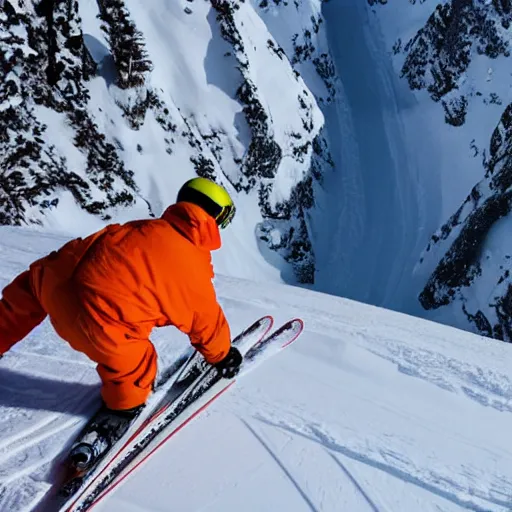
One of the most important ethical considerations in climbing K2 is the responsibility of climbers to respect the mountain and the environment. K2 is located in a remote and fragile ecosystem, and climbers must take care to minimize their impact on the natural environment. This means packing out all waste and minimizing the use of non-biodegradable materials, as well as respecting local customs and traditions.
Another ethical consideration is the responsibility of climbers to other climbers. K2 is a dangerous mountain, and climbers must work together to ensure that everyone on the mountain is safe and supported. This means respecting the priorities and needs of other climbers, sharing resources and information, and working together to make the climb as safe and enjoyable as possible.
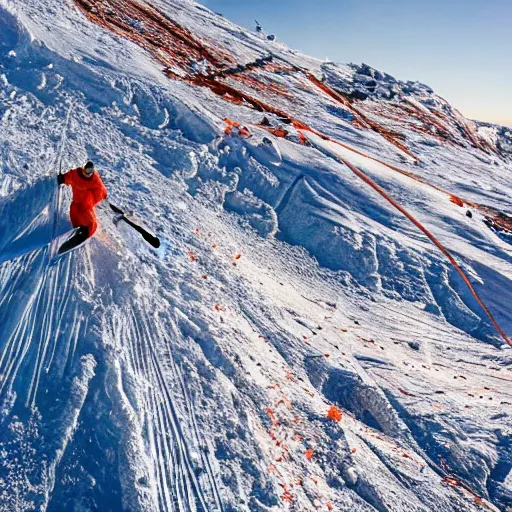
Moreover, climbers must also respect the local communities and cultures around K2. Climbing K2 requires the support and cooperation of local communities, and climbers must ensure that their activities do not harm the livelihoods, traditions, or cultural heritage of these communities. This includes respecting local customs and traditions, supporting local businesses, and minimizing the impact of their activities on the local environment and community.
Finally, climbers must also respect the inherent risks and dangers of climbing K2. Mountaineering is an inherently risky activity, and climbers must take responsibility for their own safety and for the safety of others. This means prioritizing safety over summiting at all costs, being prepared for emergency situations, and being willing to turn back if necessary.
In conclusion, climbing K2 involves a complex set of ethical considerations that require climbers to act responsibly, respectfully, and with an understanding of the risks and dangers involved. By prioritizing safety, respecting the mountain and the environment, and working together with other climbers and local communities, climbers can enjoy the challenge and beauty of K2 while also upholding the highest ethical standards. The ethics of climbing K2 are complex and multifaceted. While some argue that the use of supplemental oxygen detracts from the purity of the climbing experience, others maintain that it is a necessary safety measure on such a difficult and dangerous peak. Similarly, while commercial expeditions may make K2 more accessible and safer for some climbers, they also raise concerns about overcrowding and the emphasis on summiting at all costs. Ultimately, it is up to individual climbers and organizations to decide how they approach these ethical considerations and to act responsibly and with respect for the mountain, the environment, and other climbers.
====================================================================
Keywords = K2, climbing, ethics, supplemental oxygen, commercial expeditions, moral implications


Comments
Post a Comment