The challenges of climbing K2: A deep dive into the technical difficulties and dangers of climbing the second highest peak in the world.
K2, also known as Mount Godwin-Austen, is the second-highest mountain in the world, standing at 8,611 meters above sea level. Located in the Karakoram range on the border between Pakistan and China, K2 is known for its steep and technical climbing routes, unpredictable weather, and high altitude challenges. Climbing K2 is considered one of the most difficult mountaineering challenges in the world, and it has claimed the lives of many experienced climbers over the years. In this article, we will take a deep dive into the technical difficulties and dangers of climbing K2.
Technical Difficulties:
Climbing K2 requires technical skills and experience in mountaineering, as it involves navigating through steep and rocky terrain, crevasses, icefalls, and unpredictable weather conditions. The technical difficulties of K2 begin from the base camp itself, which is situated at an altitude of 5,150 meters. Climbers need to acclimatize themselves to the high altitude before they start climbing, which takes several days and involves climbing up and down the mountain to different elevations.
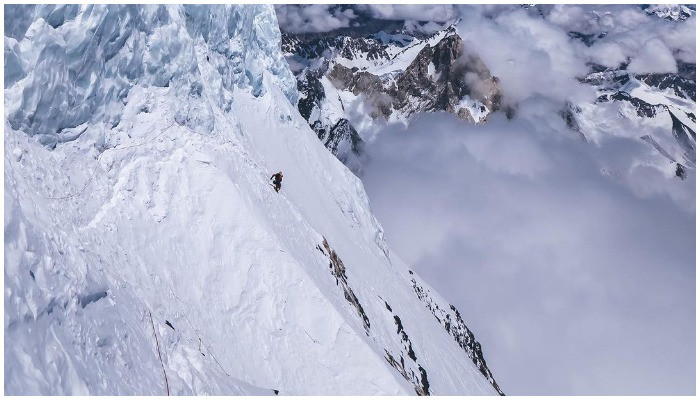
One of the most technical and challenging sections of K2 is the Bottleneck, which is a narrow couloir that is around 100 meters long and 60 degrees steep. The Bottleneck is prone to rockfall, avalanches, and icefall, making it one of the most dangerous sections of the climb. Climbers need to navigate through this section while being roped to their team members and being careful not to dislodge any rocks or ice.
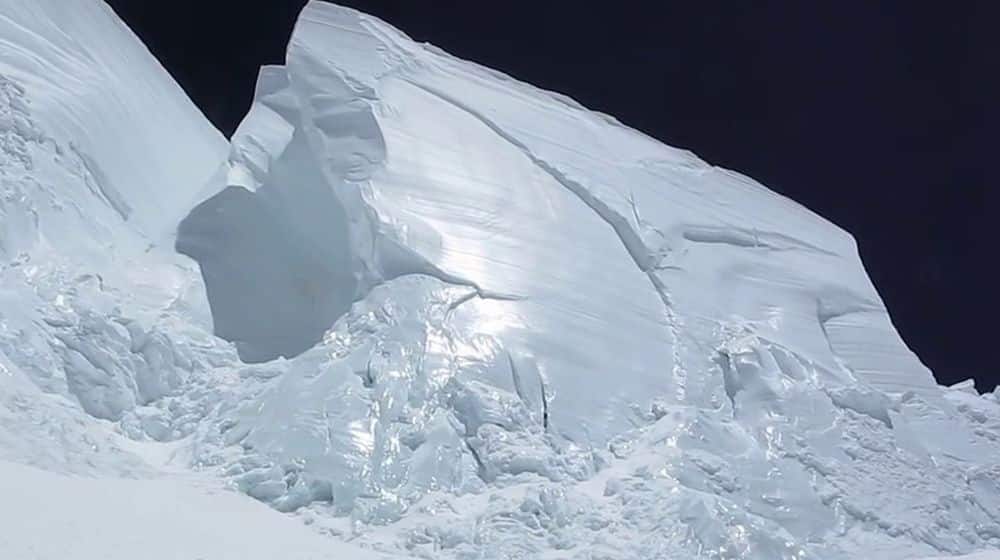
Another technical difficulty of K2 is the Abruzzi Spur, which is the most commonly climbed route to the summit. The Abruzzi Spur involves climbing through steep snow and ice slopes, traversing narrow ridges, and navigating through crevasses. Climbers need to be skilled in the use of ice axes, crampons, and ropes to navigate through this section.
Dangers:
Climbing K2 involves numerous dangers, including high altitude sickness, extreme weather conditions, avalanches, rockfall, and crevasses. High altitude sickness is a common danger that climbers face on K2, as the high altitude can cause altitude sickness, which can be fatal if not treated promptly.
Extreme weather conditions are also a significant danger on K2, as the mountain is prone to high winds, heavy snowfall, and sudden changes in weather. Climbers need to be prepared for these conditions and have appropriate gear and equipment to protect themselves.
Avalanches and rockfall are also common dangers on K2, as the steep terrain and unstable conditions can cause rocks and snow to fall from above. Climbers need to be aware of the conditions and avoid climbing during times when these dangers are heightened.
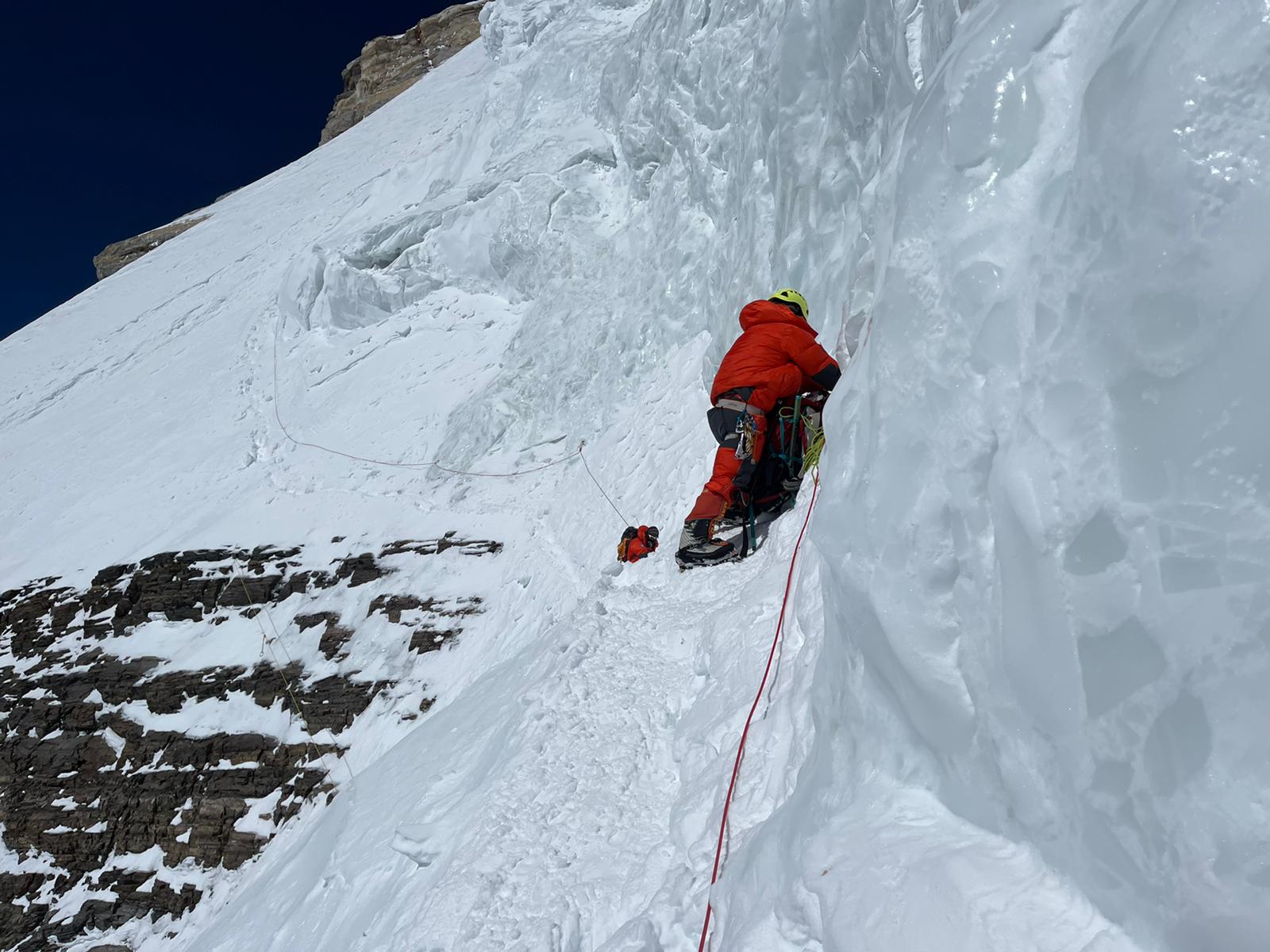
Crevasses are another danger that climbers face on K2, as the glacier on the mountain is riddled with deep crevasses. Climbers need to be skilled in the use of ropes and know how to navigate through crevasses safely.
K2 has a reputation for being one of the most challenging peaks to climb, and it has claimed the lives of many experienced climbers. Since the first successful ascent of K2 in 1954 by an Italian team, only a few hundred climbers have successfully reached the summit. The high level of technical skills and experience required to climb K2 means that only a small number of mountaineers attempt it each year.
One of the factors that make K2 so challenging to climb is its unpredictable weather conditions. The mountain is located in a region that is prone to violent storms, and climbers need to be prepared for high winds, heavy snowfall, and sudden changes in temperature. The extreme weather conditions on K2 can last for days, making it difficult for climbers to find a suitable window to summit.
Another factor that makes K2 so challenging is the lack of available resources on the mountain. Unlike other popular climbing destinations such as Mount Everest, K2 is located in a remote region with limited infrastructure. This means that climbers need to carry all their gear and supplies with them and be self-sufficient during their climb. This adds an extra layer of difficulty to the climb and makes it more challenging.
Despite the challenges and dangers involved in climbing K2, it remains an alluring and rewarding challenge for mountaineers who are willing to take on the climb. For many mountaineers, climbing K2 represents the ultimate test of their technical skills, physical and mental strength, and determination. It is a reminder of the power and beauty of nature and the human spirit's ability to overcome seemingly insurmountable challenges.
Conclusion:
Climbing K2 is considered one of the most difficult mountaineering challenges in the world, and it requires technical skills, experience, and physical and mental strength. The technical difficulties and dangers of climbing K2 include navigating through steep and rocky terrain, crevasses, icefalls, and unpredictable weather conditions. Climbers need to be aware of these challenges and dangers and be prepared with appropriate gear and equipment to ensure their safety. Despite the risks involved, climbing K2 remains an alluring and rewarding challenge for mountaineers who are willing to take on the climb.
======================================================================
Keywords = K2, climbing, challenges, technical difficulties, dangers, mountaineering, Mount Godwin-Austen


Comments
Post a Comment