Living with the Himalayas: Sustainability, Culture, and Conservation in the Region
|
The Himalayas, the world's highest mountain range, is not
just a natural wonder but also a cultural and ecological treasure trove. The
region, spanning across five countries - India, Nepal, Bhutan, China, and
Pakistan, is home to a diverse range of flora and fauna, and also hosts
several indigenous communities that have lived in harmony with nature for
centuries. However, the Himalayas are under threat due to climate change,
deforestation, and overexploitation of natural resources. Therefore, it is
crucial to adopt sustainable practices and conservation efforts to preserve
this unique ecosystem and its cultural heritage. |
|
|
|
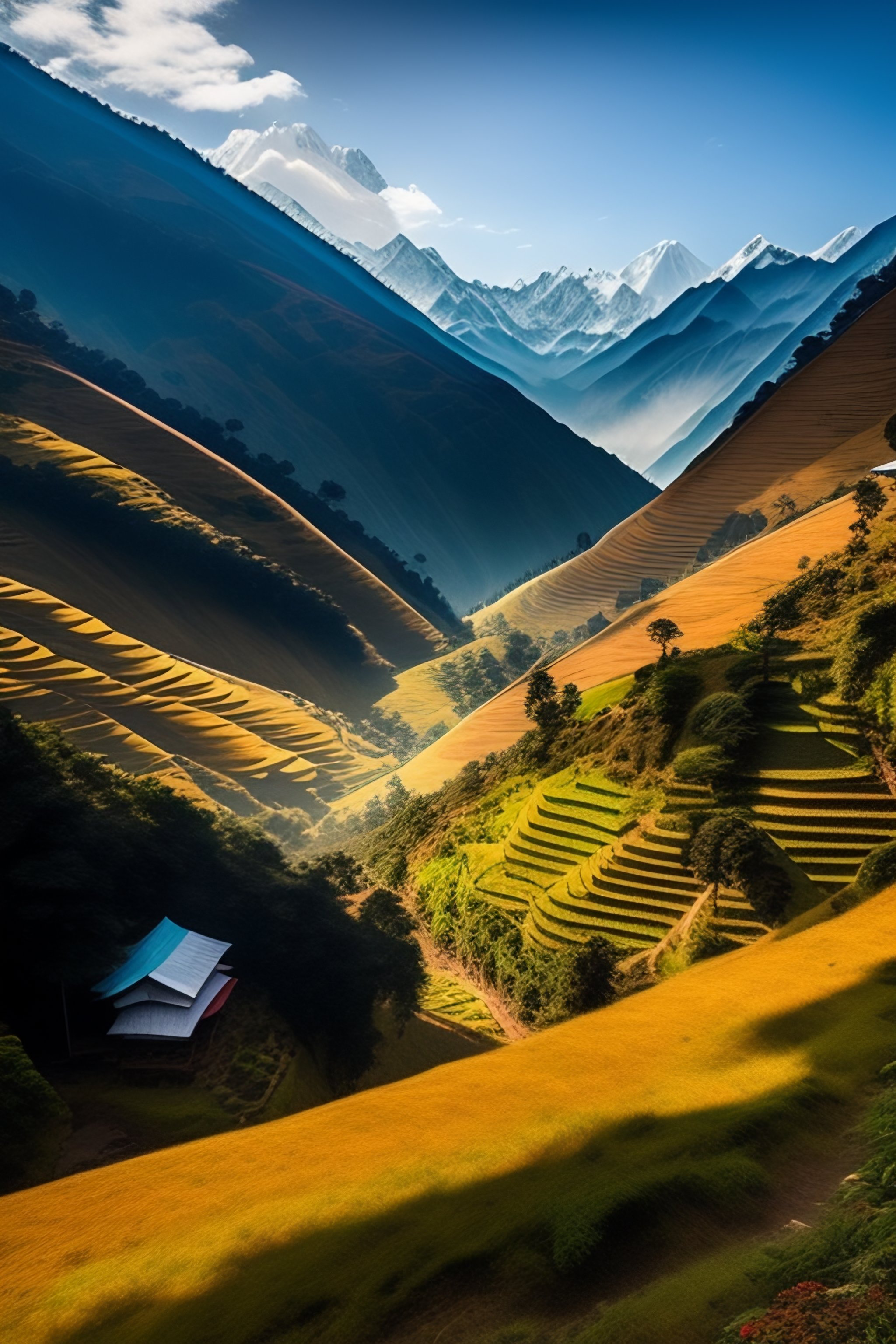
Sustainability is the key to the survival of the Himalayan
region. The harsh terrain and extreme climate of the mountains make it a
challenging place to live, and the people living in the region have always
had to be resourceful and innovative to sustain themselves. However, the
advent of modern technology and urbanization has led to the degradation of
the environment, resulting in the loss of biodiversity and ecological
imbalances. To combat this, several initiatives have been taken to promote
sustainable living in the Himalayan region. |
 |
|
One such initiative is the promotion of eco-tourism. The
Himalayas attract millions of tourists every year who come to experience the
breathtaking scenery and diverse cultures of the region. However, tourism can
also have a negative impact on the environment if not managed properly.
Eco-tourism focuses on sustainable practices that minimize the environmental
impact of tourism while also benefiting local communities. For example,
eco-tourism projects in the region promote homestays, local handicrafts, and organic
farming, which provide alternative sources of income for the locals and help
preserve their traditional way of life. |
|
|
|
Another way to promote sustainability is through the
conservation of natural resources. The Himalayas are home to several
endangered species such as the snow leopard, red panda, and Himalayan musk
deer. Conservation efforts have been initiated to protect these species and
their habitats. Several organizations are working to restore degraded
ecosystems and promote reforestation in the region. Sustainable practices
such as rainwater harvesting, organic farming, and the use of renewable
energy sources such as solar and hydro power are also being encouraged to
reduce the region's carbon footprint. |
|
|
|
Culture is another important aspect of life in the
Himalayas. The region is home to several indigenous communities that have
lived in harmony with nature for centuries. These communities have a rich
cultural heritage, with unique languages, music, and arts that reflect their
way of life. However, their traditional lifestyles are under threat due to
modernization and urbanization. To preserve their culture, efforts are being
made to promote sustainable tourism that respects their traditions and
provides alternative sources of income. Initiatives such as cultural
exchanges and community-based tourism have been successful in promoting
cultural preservation and sustainable development in the region. |
 |
|
Conservation is also critical for the survival of the
Himalayas. The region is a vital watershed that provides water to millions of
people living downstream. Deforestation, overgrazing, and unsustainable
agricultural practices have led to soil erosion, landslides, and flash floods
that have devastating impacts on the environment and people's lives. Conservation
efforts have been initiated to address these issues. For example, the Indian
government has launched the National Mission for Sustainable Himalayan
Ecosystem (NMSHE), which aims to restore degraded ecosystems, promote
sustainable land use practices, and conserve biodiversity in the region. |
|
|
|
|
|
One of the major challenges of living in the Himalayan
region is the impact of climate change. The Himalayas are highly vulnerable
to the effects of climate change due to their sensitive ecosystem and the
dependence of the people on natural resources for their livelihoods. The
region is experiencing changes in temperature and precipitation patterns,
which have a significant impact on agriculture, water availability, and
biodiversity. Initiatives such as promoting climate-smart agriculture,
building climate-resilient infrastructure, and promoting the use of renewable
energy sources can help mitigate the impact of climate change in the region. |
|
|
|
Another important aspect of living with the Himalayas is
the role of traditional knowledge and practices. The indigenous communities
in the region have a wealth of knowledge about the natural resources,
ecosystems, and cultural practices that have sustained them for generations.
This traditional knowledge can be harnessed to promote sustainable
development in the region. Initiatives such as promoting community-based
conservation, traditional agricultural practices, and traditional healing
practices can help preserve traditional knowledge and practices while promoting
sustainable development. |
 |
|
Conservation efforts in the Himalayas are not limited to
biodiversity conservation. Cultural heritage conservation is also an
important aspect of conservation in the region. The Himalayas are home to
several UNESCO World Heritage Sites, such as the Sagarmatha National Park in
Nepal, the Nanda Devi Biosphere Reserve in India, and the Jiuzhaigou Valley
in China. These sites have significant cultural and historical value and are
also important for biodiversity conservation. Efforts are being made to
protect these sites from the impact of tourism, climate change, and other
human activities. |
|
|
|
In conclusion, living with the Himalayas requires a
holistic approach that takes into account sustainability, culture, and
conservation. The region's unique ecology, cultural heritage, and traditional
knowledge are under threat, and initiatives such as eco-tourism,
conservation, cultural preservation, and traditional knowledge can help
preserve this magnificent region. It is crucial to adopt sustainable
practices, promote conservation efforts, and leverage traditional knowledge
and practices to ensure the survival of the Himalayas and the communities
that call it home. |


Comments
Post a Comment